Unlocking the Power of Brainspotting
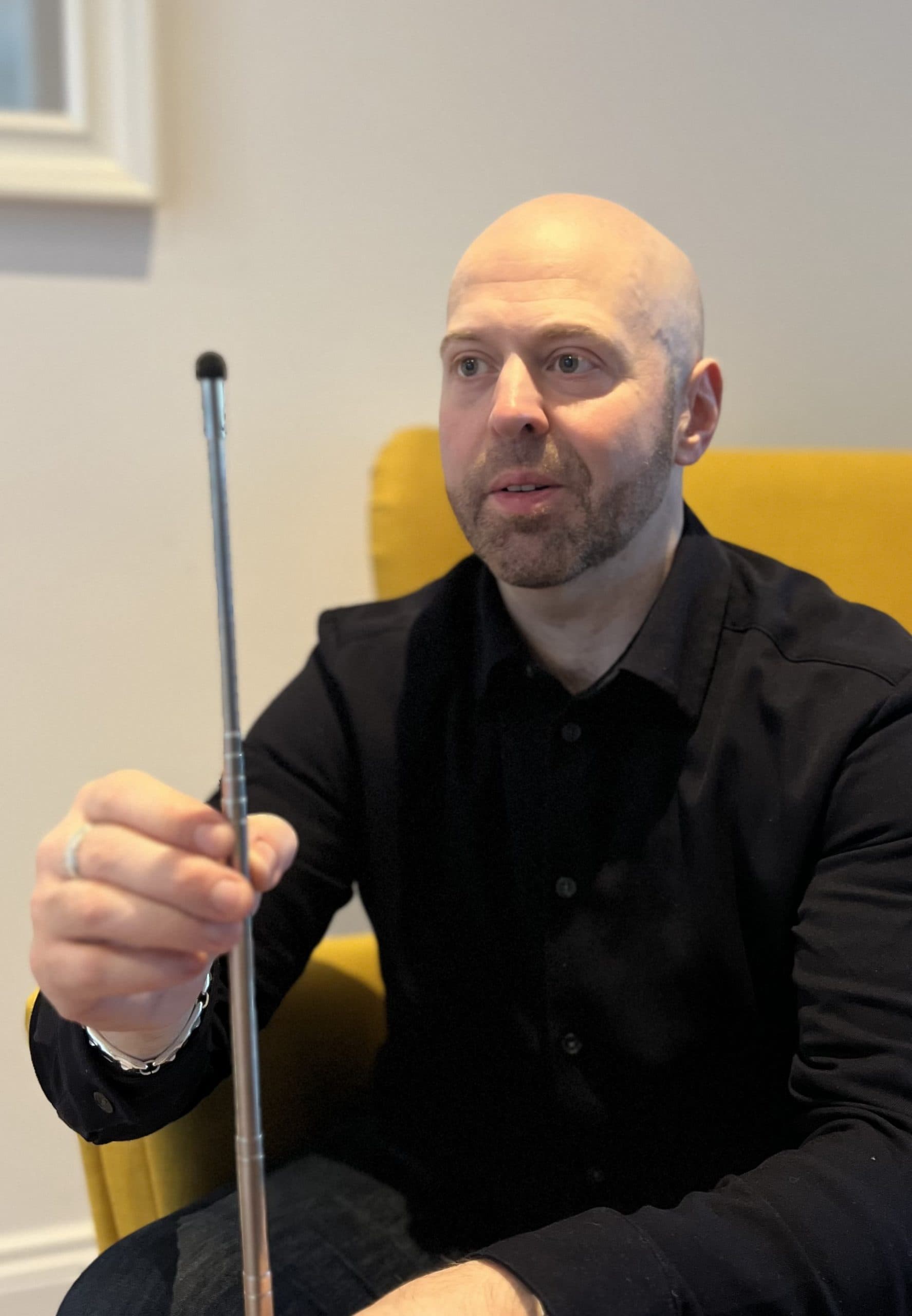
Unlocking the Power of Brainspotting: A Revolutionary Approach to Nervous System Regulation And Wellbeing
Understanding Brainspotting and the Nervous System Connection
Brainspotting is a powerful neurobiological tool that directly accesses the brain’s self-healing capabilities through the visual field. Developed by Dr. David Grand in 2003, this therapeutic approach recognizes that where we look affects how we feel—and more importantly, how our nervous system responds to and processes experiences.
At its core, Brainspotting works by identifying eye positions (or “brainspots”) that correlate with unprocessed trauma, stuck patterns, or areas of activation in the nervous system. By maintaining focused attention on these specific points while mindfully observing internal experiences, we can facilitate deep processing and regulation at the subcortical level of the brain.
The Science Behind the Method
Brainspotting engages the deep brain structures, particularly the:
- Brainstem – our survival and regulatory center
- Limbic system – emotional processing hub
- Neocortex – higher-level thinking and integration
This direct access to subcortical brain regions allows for processing that bypasses the thinking brain’s tendency to analyze or intellectualize, creating space for genuine nervous system recalibration.
Brainspotting for Elite Performance: Unleashing Creative and Athletic Potential
For Creatives
Artists, musicians, writers, and performers often face unique challenges:
- Performance anxiety that blocks creative flow
- Perfectionism that stifles innovation
- Creative blocks rooted in past criticism or failure
- Imposter syndrome that undermines confidence
Brainspotting helps creatives by:
- Clearing neural pathways associated with creative inhibition
- Releasing stored tension patterns that restrict expression
- Enhancing access to flow states
- Strengthening the connection between imagination and execution
For Athletes
Elite athletes understand that peak performance is as much mental as physical. Brainspotting addresses:
- Performance anxiety and competition stress
- Physical blocks and tics like the twisties, the Yips and unexplained performance drops
- Recovery from sports-related trauma or injuries
- Mental blocks preventing next-level achievement
The technique helps athletes:
- Process and release the neurological imprint of past failures
- Optimize focus and concentration
- Enhance mind-body coordination
- Build resilience and mental toughness
Supporting Neurodivergent Clients: A Gentle, Adaptive Approach
Brainspotting offers unique advantages for neurodivergent individuals, including those with ADHD, autism, sensory processing differences, and other neurological variations.
Why Brainspotting Works for Neurodivergent Nervous Systems
Minimal verbal processing required: Unlike talk therapy, Brainspotting doesn’t require extensive verbal articulation, making it accessible for those who process differently or struggle with verbal expression.
Respects individual processing styles: The approach honors each person’s unique neurological wiring without forcing neurotypical communication patterns.
Sensory-friendly options: Brainspotting can be adapted with:
- Reduced eye contact requirements
- Flexible positioning options
- Integration of sensory supports
Regulation without overwhelm: The technique gently supports nervous system regulation without flooding or overwhelming sensitive systems.
Addressing Chronic Conditions: Lyme Disease, Fibromyalgia, and Beyond
The Chronic Illness-Nervous System Connection
Chronic conditions like Lyme disease and fibromyalgia profoundly impact the nervous system, creating cycles of:
- Hypervigilance and threat detection
- Dysautonomia and regulatory dysfunction
- Central sensitization and pain amplification
- Trauma from medical gaslighting and loss of function
How Brainspotting Helps
For Lyme Disease:
- Processes trauma from delayed diagnosis and treatment struggles
- Supports nervous system regulation disrupted by neurological Lyme
- Helps integrate the identity shifts that accompany chronic illness
- Addresses anxiety and depression secondary to the condition
For Fibromyalgia:
- Calms overactive pain signaling pathways
- Reduces central nervous system sensitization
- Processes underlying trauma often linked to fibromyalgia onset
- Supports sleep regulation and stress management
For Other Chronic Conditions:
- ME/CFS (Chronic Fatigue Syndrome)
- POTS and dysautonomia
- Autoimmune conditions
- Long COVID
The Healing Process: What to Expect
Brainspotting sessions typically involve:
- Resourcing / Activation / Expansion work – Identifying the presenting issue or sensation to work with and choosing the right approach – building safety and resource, working directly with activation, or strengthening a vision of expansion and peak Flow
- Location – Finding the relevant eye position
- Processing – Mindful observation as the nervous system reorganizes
- Integration – Allowing new patterns to settle
Sessions can bring:
- Immediate relief or gradual shifts over time
- Physical sensations as the body releases held patterns
- Emotional processing and release
- Increased clarity and calm
Integration and Support
Successful Brainspotting work often benefits from:
- Consistent sessions to build momentum
- Body-based practices like yoga or gentle movement
- Nervous system support through nutrition and sleep
- Community and understanding support systems
Moving Forward: The Promise of Neuroplasticity
Brainspotting reminds us that our nervous systems are remarkably adaptable. Whether you’re:
- An artist seeking to unlock creative potential
- An athlete pushing toward peak performance
- A neurodivergent individual seeking nervous system support
- Someone navigating chronic illness
This approach offers a path toward greater regulation, resilience, and vitality.
The beauty of Brainspotting lies in its simplicity and profound respect for the body’s innate wisdom. By working directly with the nervous system’s natural healing mechanisms, we can access transformation that goes beyond what words alone can achieve.
Ready to Explore Brainspotting?
If you’re curious about how Brainspotting might support your journey—whether for performance enhancement, neurodivergent support, or chronic condition management—consider reaching out to a certified Brainspotting practitioner who specializes in your area of need.
Your nervous system has an remarkable capacity for healing and optimization. Sometimes, it just needs the right approach to unlock its potential.
Please get in touch if you’d like to know more.
